
How Much Does It Cost To Charge An Electric Car?
Abacus Vehicle Hire
May 29, 2026
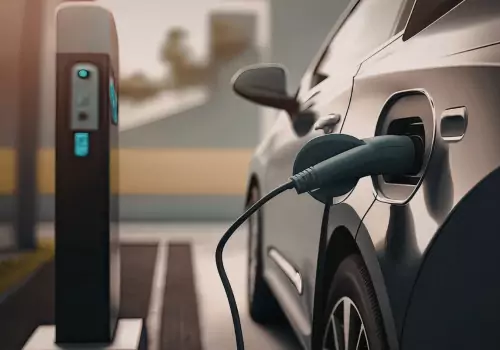
As electric vehicles become more common on UK roads, one of the biggest questions drivers ask is simple — how much does it actually cost to charge an electric car?
The answer depends on several factors, including where you charge, the size of the battery, electricity prices and the type of charger used. In many cases, charging an EV can still be significantly cheaper than filling a petrol or diesel vehicle.
At Abacus Vehicle Hire, we understand more drivers and businesses are exploring electric vehicles for everyday transport, business use and long-distance travel. Here’s a straightforward guide to EV charging costs in the UK.
What Affects The Cost Of Charging An Electric Car?
Several things determine how much you’ll pay to charge an EV:
- Battery size
- Electricity tariff
- Home vs public charging
- Fast or rapid charging
- Time of day
- Vehicle efficiency
A larger battery naturally costs more to charge, while home charging is usually much cheaper than using rapid public charging stations.
How Much Does It Cost To Charge At Home?
Home charging is typically the most affordable option.
The average UK electric car battery is around 60kWh. Based on typical domestic electricity rates, a full home charge may cost roughly:
- Around £10–£20 for a full charge
- Approximately 3–8 pence per mile driven
Some drivers reduce costs further by using off-peak EV tariffs overnight.
For drivers covering regular mileage, charging at home can offer substantial savings compared with petrol or diesel fuel costs.
How Much Does Public Charging Cost?
Public charging prices vary depending on charger speed and provider.
Typical costs include:
- Fast chargers: generally more affordable
- Rapid chargers: higher cost for quicker charging
- Ultra-rapid chargers: most expensive but fastest option
Public charging may cost:
- Around £15–£35+ for a full charge depending on battery size and charging speed
Motorway rapid charging is usually the most expensive option but can be useful for longer journeys.
Is Charging Cheaper Than Petrol Or Diesel?
In many cases, yes.
Electric vehicles often have:
- Lower running costs
- Reduced maintenance requirements
- No fuel station visits
- Lower emissions
Drivers who regularly charge at home often see the biggest savings.
However, frequent use of public rapid chargers can reduce the cost advantage.
How Long Does It Take To Charge An Electric Car?
Charging times depend on:
- Battery size
- Charger speed
- Vehicle charging capability
Approximate charging times include:
- Home 7kW charger: 6–12 hours
- Fast public charger: 3–6 hours
- Rapid charger: 30–90 minutes
Many EV drivers charge overnight at home for convenience.
Are Electric Vehicles Worth It?
For many businesses and private drivers, electric vehicles are becoming increasingly practical.
Benefits can include:
- Lower day-to-day running costs
- Reduced emissions
- Quiet driving experience
- Potential tax advantages for businesses
- Lower congestion and clean air zone charges in some areas
The best option depends on your mileage, charging access and driving habits.