
What is a PHEV? Understanding Plug-in Hybrid Electric Vehicles
Max Kelly
March 24, 2026
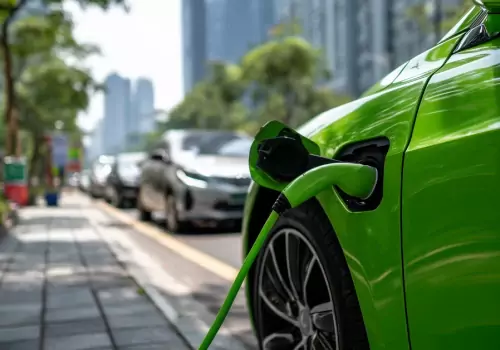
Learn what a PHEV is, what a hybrid car is, how plug-in hybrids work, and how hybrid cars save fuel and reduce emissions.
What is a PHEV?
A PHEV, or Plug-in Hybrid Electric Vehicle, is a type of car that combines an electric motor with a traditional petrol or diesel engine. If you’ve ever wondered “what is a plug-in hybrid” or “what is a hybrid car,” a PHEV is essentially both: it can run on electric power alone for short trips while using the combustion engine for longer journeys.
Unlike standard hybrids, PHEVs can be plugged in to charge their battery, giving you more electric-only driving range and reducing your reliance on fuel.
How Does a Hybrid Car Work?
Understanding how a hybrid car works helps explain the advantages of a PHEV:
-
Electric Motor – Powers the car at low speeds or during short trips using energy stored in the battery.
- Combustion Engine – Kicks in when extra power is needed or for longer journeys.
- Battery Recharge – In a PHEV, the battery can be recharged by plugging into a charger, while standard hybrids recharge automatically through regenerative braking.
This system means hybrid cars use energy efficiently, combining fuel and electric power to save costs and reduce emissions.
How Do Hybrid Cars Work in Everyday Driving
How do hybrid cars work in practice? The vehicle automatically switches between electric and petrol/diesel power depending on speed, acceleration, and battery charge. In a city setting, you might drive mostly on electric power, while highway journeys use the engine to extend range.
PHEVs take this a step further by allowing you to charge the battery externally, increasing the number of miles you can drive solely on electricity.
Benefits of Plug-in Hybrid and Hybrid Cars
PHEVs and hybrid cars offer several advantages:
-
Lower Fuel Costs – Electric driving reduces petrol or diesel consumption.
- Reduced Emissions – Electric power produces fewer CO₂ emissions than conventional engines.
- Flexible Range – PHEVs provide the reassurance of a combustion engine for long trips.
- Government Incentives – Many regions offer grants, tax benefits, or reduced charges for hybrid and plug-in vehicles.
Who Should Consider a PHEV or Hybrid Car?
These vehicles are perfect for:
-
Drivers with short daily commutes who want to rely on electric power.
- People looking to reduce their environmental footprint without giving up convenience.
- Drivers who occasionally travel long distances but still want fuel savings.
Even if you don’t drive exclusively in the city, hybrid and plug-in hybrid cars offer a smooth balance between efficiency and flexibility.